Expert Car Care Near You
Local Service By Our Experts
Your vehicle works hard every day, whether you are heading across Virginia, traveling through Maryland, or keeping up with life in Pennsylvania. Routine service helps your vehicle stay dependable, efficient, and ready for the miles ahead. At Aschenbach Automotive Group, our service teams help drivers protect their vehicles with factory-informed care, trained technicians, genuine parts support, and convenient scheduling options.
From an oil change and tire rotation to brake service, diagnostics, battery testing, and filter replacement, the right maintenance plan can help prevent small issues from becoming bigger repairs. Choosing a trusted auto repair service also gives you clearer insight into your vehicle’s condition, so you can make smarter decisions about maintenance, repairs, and long-term ownership.
Why Regular Vehicle Service Matters
Wear does not always announce itself early. Tires lose tread, brake pads thin out, batteries weaken, fluids break down, and filters collect debris long before a major warning sign appears. That is why preventive maintenance is so important for keeping your vehicle reliable.
A routine service visit can include a multi-point inspection, oil change, tire service, fluid checks, battery testing, and a review of your maintenance schedule. These checkpoints help technicians spot signs of uneven tire wear, low fluid levels, brake concerns, leaks, warning lights, or other minor repairs before they create avoidable downtime.
At Aschenbach Automotive Group, auto repair service is about more than fixing a problem after it appears. It is about helping drivers stay ahead of service needs with careful inspections, accurate recommendations, and maintenance support based on the vehicle’s mileage, condition, service records, and owner’s manual.
Maintenance vs. Repairs: What Drivers Should Know
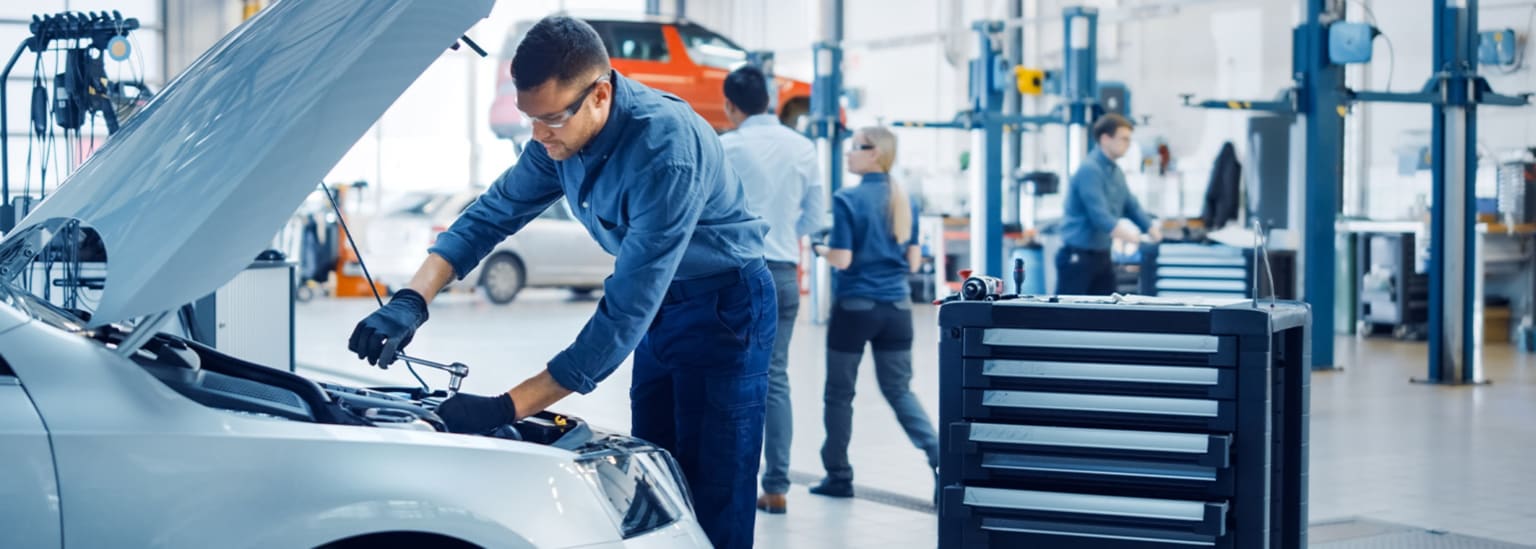
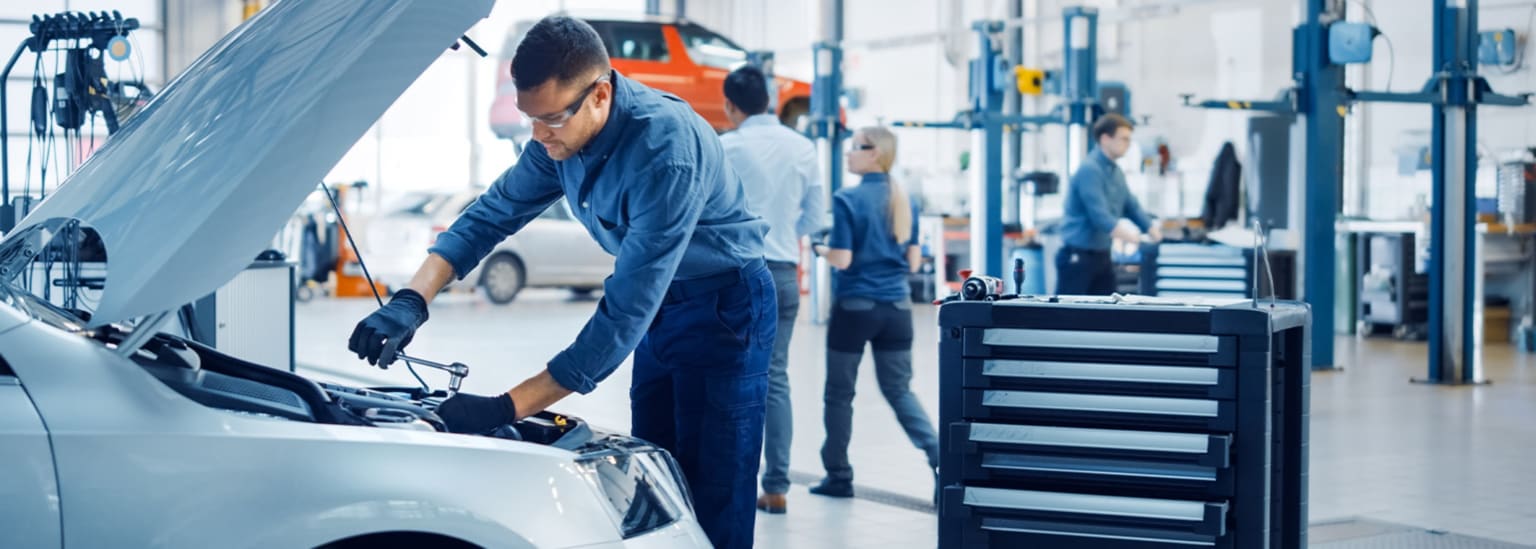
Maintenance is planned care. It includes items such as oil changes, tire rotations, filter replacements, fluid checks, brake inspections, and general maintenance, based on your vehicle’s maintenance schedule. Repairs address a specific concern, such as a weak battery, worn brakes, a check engine light, a warning light, a failed sensor, or an unusual noise.
Understanding the difference matters because routine maintenance can often reduce the chance of unexpected repairs. For example, a tire rotation may reveal uneven tread wear, a brake inspection may identify thinning pads, and battery testing may show that your battery is losing strength before it leaves you stranded.
A professional auto repair service visit helps organize these needs by urgency. Safety-related items can be addressed first, while routine or future maintenance needs can be documented and planned around your schedule.
Certified Auto Service Backed by Training and Technology
Modern vehicles are more advanced than ever. Today’s cars, trucks, and SUVs rely on mechanical components, software, sensors, driver-assistance technology, and complex electronic systems. That is why certified auto service matters.
Aschenbach Automotive Group service teams use manufacturer service information, scan tools, diagnostic procedures, and OEM guidance to properly evaluate your vehicle. Factory-certified technicians and trained service professionals understand that the correct torque specifications, fluid type specifications, software update procedures, and calibration steps can all affect performance.
This is especially important for vehicles equipped with advanced systems like ADAS and other connected or driver-assistance features. A quality auto repair service provider does not guess its way through modern vehicle care. It follows the right process to help protect drivability, safety systems, and long-term reliability.
Routine Maintenance Services for Everyday Driving
Every vehicle has different needs, but many routine services are common across most models. Oil and filter service helps protect engine components from heat, friction, and contaminants. Tire rotations promote even tread wear and help extend tire life. Fluid checks ensure critical systems have the correct levels and conditions. Filter replacement supports clean airflow and proper system performance.
A multi-point inspection can also review brakes, tires, lights, belts, hoses, wipers, battery health, and visible leaks. These inspection results create a clearer picture of your vehicle’s current condition and future maintenance needs.
Whether you drive a Jeep Wrangler, Chevrolet Silverado 1500, Ford Mustang Mach-E, or another vehicle in your household, routine auto repair service helps keep your maintenance history organized and your ownership experience more predictable.
Brake Service, Tire Service, and Battery Testing
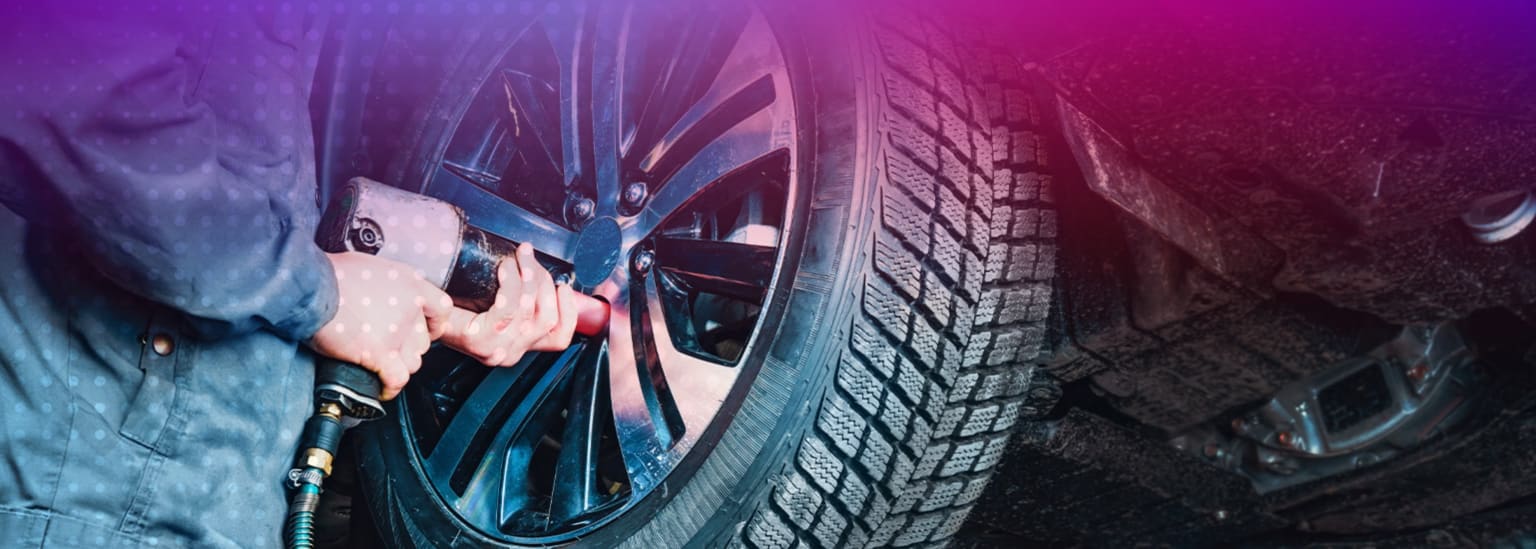
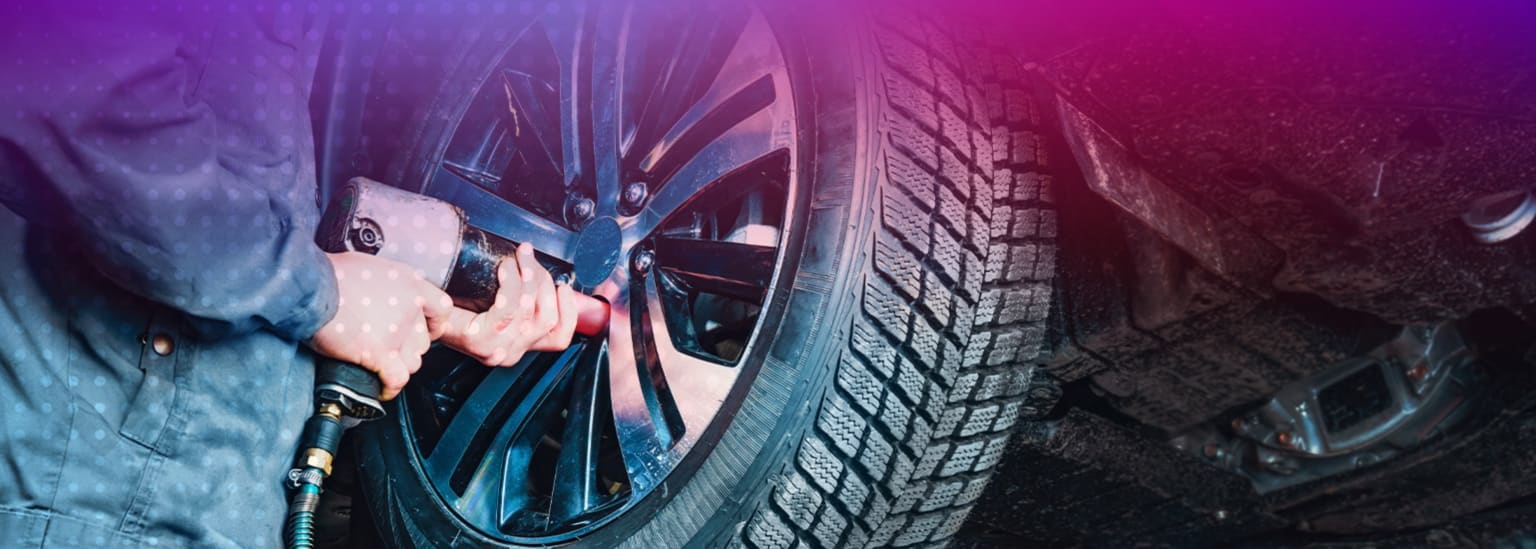
Brakes, tires, and batteries are three areas drivers should not ignore. Brake concerns may appear as squealing, grinding, vibration, pedal pulsation, or longer stopping distances. Tire concerns may show up as uneven wear, vibration, pulling, reduced traction, or low tread depth. Battery issues can include slow cranking, clicking at startup, dim lights, or a battery warning light.
Because these systems affect safety and reliability, timely inspections matter. Brake service may involve pad replacement, rotor evaluation, hydraulic system checks, and related components. Tire service may include rotation, balancing, pressure checks, tread depth measurements, and replacement recommendations. Battery testing can help determine whether the issue is the battery, charging system, cables, or another electrical concern.
With the right auto repair service, drivers get more than a quick look. They get careful testing, clear explanations, and recommendations based on the actual condition of the vehicle.
Diagnostics for Warning Lights and Check Engine Lights
A check engine light or warning light can be frustrating because one message may point to several possible causes. Modern diagnostics require more than simply reading a code. A scan tool can help begin the process, but technicians also need test procedures, service information, wiring knowledge, and system-specific experience to confirm the concern.
At Aschenbach Automotive Group, diagnostics are handled with a practical goal: to identify the root cause before recommending repairs. This helps reduce unnecessary parts replacement and gives drivers more confidence in the next step.
A proper auto repair service approach may include checking service bulletins, reviewing maintenance history, confirming symptoms, inspecting related components, and testing the affected system. That disciplined process is especially important for vehicles with connected technology, software-controlled systems, hybrid or electric components, and advanced safety features.
Genuine OEM Parts and Fitment Support
The right part matters. Genuine OEM parts are designed to match manufacturer specifications, which helps support proper fitment, performance, and compatibility. That can be especially important for brakes, sensors, filters, electrical components, and parts connected to modern safety or driver-assistance systems.
Fitment depends on more than the model name. VIN, trim, engine, drivetrain, package options, and production details can all affect which part belongs on your vehicle. Aschenbach Automotive Group’s parts department can help confirm these details, reducing the risk of ordering a part that looks right but does not match your specific vehicle.
Online parts ordering adds convenience for drivers who already know what they need or want to plan ahead. Combined with professional auto repair service, genuine parts support helps make maintenance and repair work more efficient, accurate, and reliable.
Online Service Scheduling for Busy Drivers
Life does not pause for vehicle maintenance. Online service scheduling makes it easier to request a service appointment around work, school, errands, and travel. When scheduling your visit, it helps to share your vehicle year, make, model, mileage, symptoms, warning lights, recent repairs, and preferred contact method.
For routine maintenance, mileage and service history help the team prepare for the right maintenance schedule. For diagnostics, details about when the concern happens, how often it occurs, and what warning messages appear can help the technician start with better context.
Convenient scheduling is one more way Aschenbach Automotive Group makes auto repair service easier to manage across everyday ownership.
Multi-Brand Service Support Across the Region
Aschenbach Automotive Group serves drivers across multiple brands and locations, with service support connected to communities in Virginia, Pennsylvania, and Maryland. That multi-brand experience matters because different manufacturers require different fluids, service intervals, diagnostic steps, software procedures, and parts.
A Ford Mustang Mach-E software update, a Jeep Wrangler tire and brake inspection, and a Chevrolet Silverado 1500 maintenance visit can each involve different service information and procedures. Even when the customer concern sounds simple, the correct process may vary by vehicle.
That is why working with a knowledgeable auto repair service team can make a meaningful difference. Brand-specific information, trained technicians, service advisors, and access to the right parts all help create a smoother and more accurate service experience.
Recall, Warranty, and Service Record Support
Recalls and warranty coverage can be confusing without the right information. A recall is a manufacturer-directed correction related to safety or compliance, and it should be addressed when applicable. Warranty coverage depends on the vehicle, repair type, mileage, age, and specific terms.
During a service visit, Aschenbach Automotive Group can help review relevant concerns, service history, and documentation. Keeping organized service records and maintenance history can also support future diagnostics, resale value, and ownership planning.
A well-documented auto repair service history can help technicians identify patterns, such as repeat battery concerns, recurring fluid loss, overdue maintenance, or previous repairs that may affect the current concern.
What to Expect During a Service Visit
A typical service visit starts with check-in and a review of your concerns. From there, a service advisor can document your vehicle information, mileage, symptoms, and requested maintenance. A technician then evaluates the vehicle, completes the needed inspection or diagnostic steps, and provides recommendations based on the findings.
Clear communication is important. Drivers should know which items are urgent, which services are maintenance-related, and which conditions can be monitored. This helps you make confident decisions without feeling rushed or overwhelmed.
At Aschenbach Automotive Group, auto repair service is designed to support the full ownership experience, from routine maintenance to unexpected repairs, genuine parts, and long-term service planning.
Schedule Service With Aschenbach Automotive Group
Consistent maintenance, accurate diagnostics, genuine parts, and trained technicians all help your vehicle stay ready for the road. Whether you need an oil change, tire rotation, brake inspection, battery testing, diagnostics, tire service, fluid checks, filter replacement, or help with online parts ordering, Aschenbach Automotive Group is ready to assist.
Schedule your next auto repair service with Aschenbach Automotive Group and bring your current mileage, recent service records, warning light details, and any symptoms you have noticed. The more information you share, the easier it is for our team to help you get the right service at the right time.